The hidden Himalayas
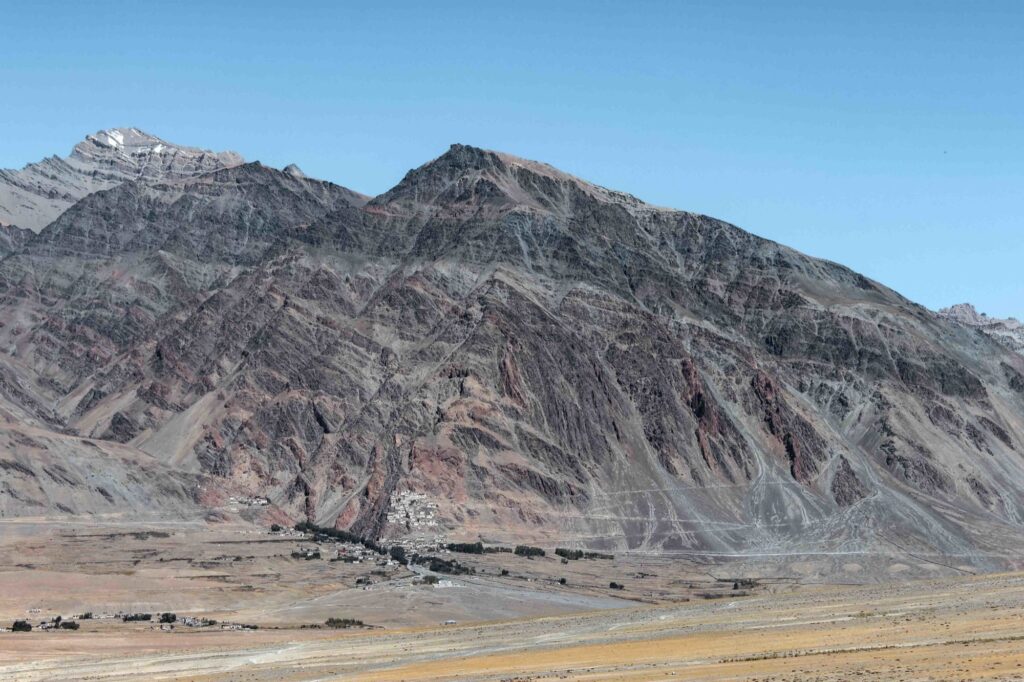
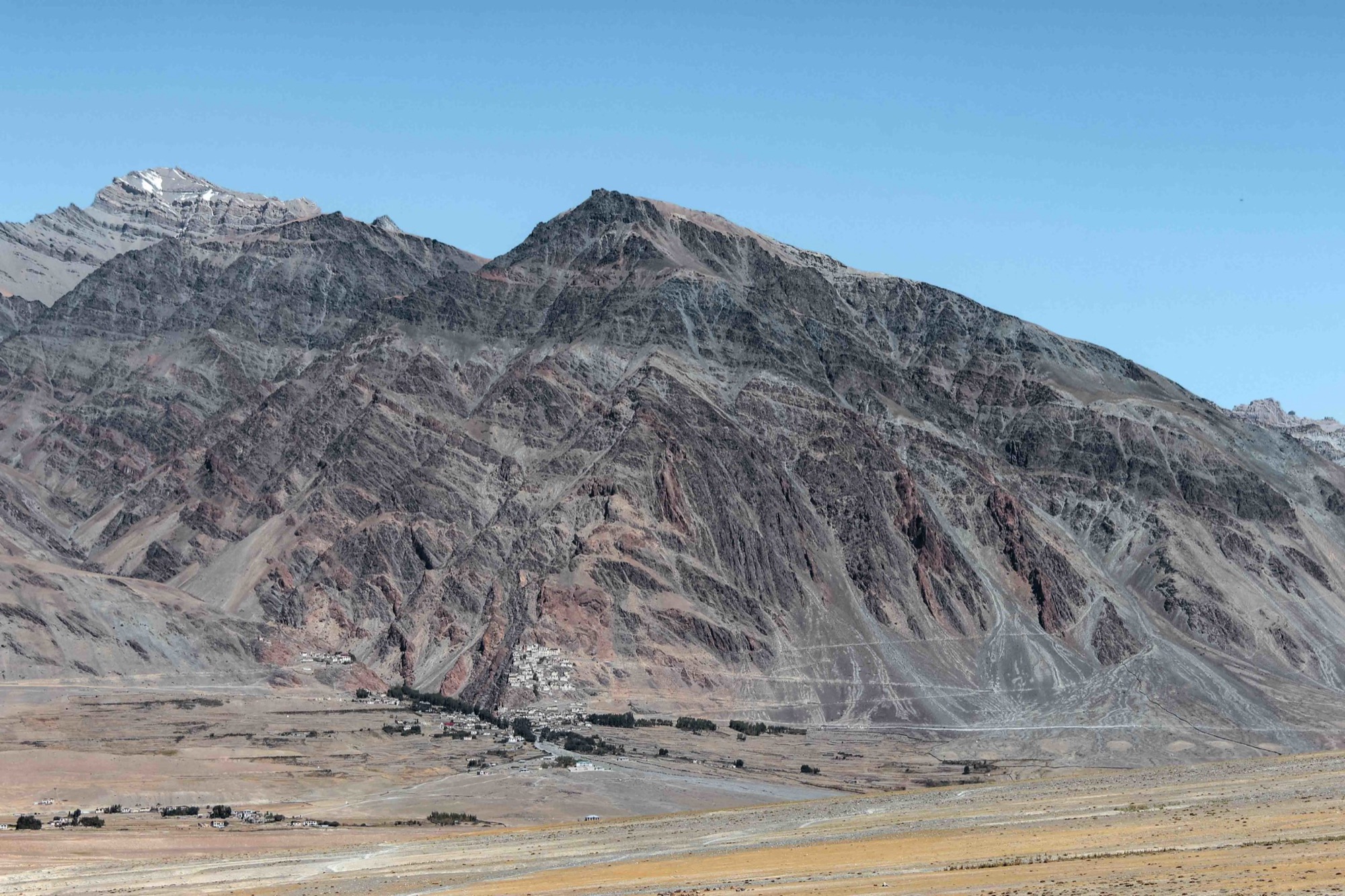
Zanskar is a remote valley in the Indian Himalayas.
About 12,000 inhabitants live on a surface area of about 7000 km². The villages are at an elevation between 3500 and 4500 m and the highest mountain peaks range up to 7000 m. Politically, Zanskar is part of the district of Kargil, in Ladakh, a union territory of India.
Living conditions are harsh in this area classified as a high altitude semi-desert, with temperatures varying from 30°C in summer to -40°C in winter.
Nearly all Zanskari practice Tibetan Buddhism, with the exception of some Muslims in Padum, the capital of Zanskar.
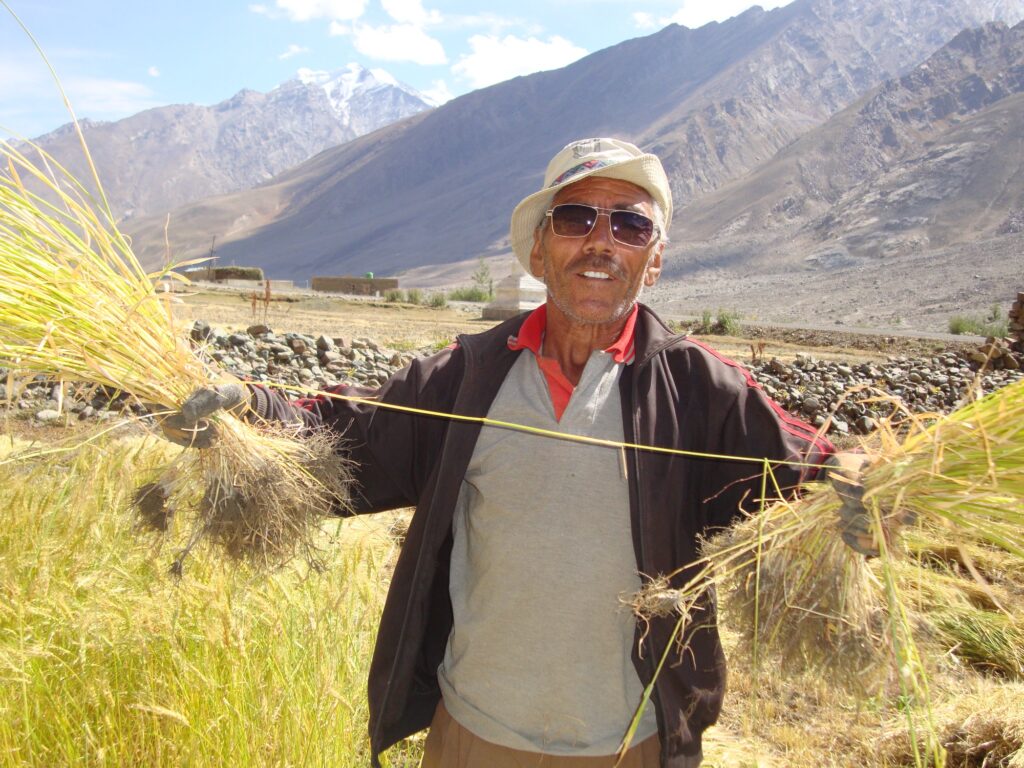
Most of the inhabitants are farmers and were self-sustainable until some years ago. In the past years a growing number of young Zanskari left the traditional agricultural lifestyle to join the Indian army, work in tourism or in bigger Indian cities. There is increasing access to higher education and increasing mobility, which brings its advantages and challenges.
Zanskari people live in simple and comfortable mud brick houses. Some have solar or hydroelectric energy. Most cook on gas or a wood stove, but in remote villages they still rely on open fire cooking and heating. Traditional food includes mainly barley and pea dishes as well as butter and cheese. Now they also get rice, sugar, salt and wheat supplied by the Indian government.
There is no organized waste system, since Zanskari didn’t produce waste with their traditional lifestyle. Now with the import of plastic items and packed food this has changed. Some villages took the initiative to dig holes and bury or burn the non-reusable waste. Human waste ends up in the dry toilets and is used as fertilizer on the fields.
Most villages are accessible by road in the summer. In winter the whole valley is disconnected from the rest of the world for 6 months, since the only high passes leading to the valley are closed by heavy snowfall. The villages are also isolated from each other when there is abundant snowfall.
Children can go to public or private schools up to the 12th class. For further studies they have to leave Zanskar, which is often a financial burden for the families. In the most remote villages, parents even have to send their children away for primary school, an expense which cannot be met by every family, leading to some children still getting no basic education. These same remote villages have only limited access to mobile networks, creating difficulties in communication with the rest of the valley. The medical system in Zanskar is pluralistic and composed of traditional Tibetan medicine, allopathic medicine, shamans and punctual NGO services.
Health system
Governmental allopathic medicine
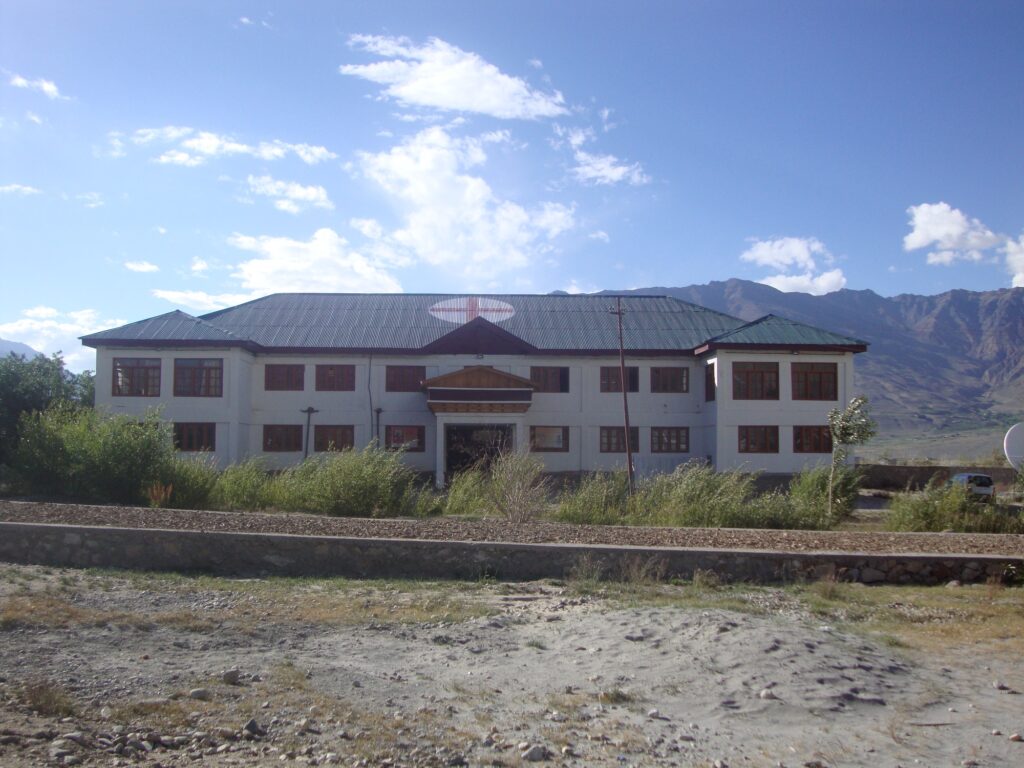
There is a government health system composed of a network of 22 basic medical aid centers (MAC) in the villages and one central Community Health Centre (CHC) in Padum, the valley’s center and only town. The system is coordinated by the Block Medical Officer (BMO). There is no private practice in Zanskar.
A medical aid center is usually staffed by a nurse or a pharmacist, has one or two rooms, no running water and unreliable electricity. Some basic medicines are provided by the government, which also runs vaccination and health education campaigns.
The central Community Health Centre is where the Block Medical Officer works, along with a few resident doctors in training, a dentist, several nurses and midwives. There is an X-ray machine and the possibility to run a few lab tests. For surgical procedures or specialist care, patients are referred to Kargil (a 24 hour car journey) or Leh, which in winter requires a helicopter transfer. It can be organized with the help of the army but is sometimes delayed for up to 2 to 3 days due to administrative or weather problems.
The price for a consultation is very low; patients need to pay for lab tests, exams and for medicines if those aren’t available at the medical center.
In detail, from the 2013 interviews
- The 22 medical aid centers are in Akshow, Abran, Skyagam, Athing, Phe, Rantakshar, Tungri, Sani, Yulsum, Karsha, Tsazar, Zangla, Pidmo, Raru, Pipchar, Itchar, Cha, Testa, Kargiak, Shun, Shaday and Stongday.
- A medical aid center usually has three staff: an auxiliary nurse midwife, a pharmacist and a superintendent. In remote areas there are only one or two. Most have no heating, and water comes from an outside pump.
- A medical aid center sees 1 to 12 patients a day and is open from 10 am to 4 pm, every day except Sunday. An outpatient ticket costs 2 rupees, including the consultation and medicines; further exams are paid separately.
- The Community Health Centre in Padum has a labour and gynaecology room, a dental unit, X-ray and ultrasound, a laboratory, an immunisation room, a pharmacy and two wards of 10 beds. A doctor is always on duty at night and on holidays, and a physician sees around 50 patients a day.
Amchi medical system
Introduction to Tibetan medicine
Tibetan medicine is an ancient Buddhist science. There are four basic textbooks revealed by the Shakyamuni Buddha. This medicinal model is based on a three-humours theory (wind, bile and phlegm). The origin of disease is explained by ignorance drawing the person into desire, hatred and obscuration, which brings imbalance into these three humours. The Tibetan medicine physician is called amchi. The amchi makes the diagnosis by taking a history, the pulse and a urinalysis. The treatment aims to restore the balance using diet, behaviour, medicinal therapies and accessory therapies like moxibustion, acupuncture and suction cups.
The situation in Zanskar
At present, there are around 50 amchis in Zanskar, of whom 20 are active. Most of them are over 50 years old. The amchi profession is open to women and there are some young female amchis. Most work privately at home. Eight amchis are recognized by the government, of whom four are on duty under the National Rural Health Mission. The other four get a small amount of money from the government but have to work on their own.
They prepare their medicines by picking local plants and buying the rest of the ingredients (plants and organic material) from Leh, Manali and Dharamsala. Traditionally this was a civil service: the amchi worked for free and the village helped with food or by working the amchi’s fields. This reciprocity is getting lost in modern times, leaving the many non-government amchis struggling for money.
Amchi training
Traditionally the amchis transferred their knowledge by internship and study from one generation to the next. This curriculum takes four years. Now there is also the possibility to study for 5 years in Leh or Dharamsala in an amchi school and to get an official degree. In addition to amchi knowledge and Tibetan language classes, these amchis also get English and basic allopathic training.
Amchi practice
Amchi medicine was officially recognised by the Indian government in 2009. Most amchis work at home and are available day and night, except the government amchis, who work from 10 am to 4 pm. They see up to 10 patients a day in summer and more in winter, diagnosing by history and pulse. Consultations and medicines are free, and some patients make a donation. When their care fails, or a patient clearly needs other care, they refer to the medical aid center, the health centre in Padum or the lhapa.
Patients move between both systems. Allopathic staff send patients with osteoarthritis, paralysis, psychological complaints, diffuse pain, and winter coughs and colds to the amchi; amchis send pneumonia, chronic lung disease, high fever and accidents to the allopathic staff.
The Zanskar Amchi Association is based at the amchi centre in Ruk Ruk, 5 km from Padum, a former amchi school that closed for lack of funds and official recognition. The most experienced amchi receives patients there every day, and the ingredients for medicines are stored there. Once a year all the amchis of the valley meet for a meeting and teaching, and the senior amchis meet three times a year to share out the common medicines.
Shamans
There are still a few shamans, a tradition dating to pre-Buddhist times in Zanskar. A lhapa (or lhamo, for a woman) is a spiritual healer, believed to be possessed by the spirit of a good monk. During the ritual the lhapa is not conscious of what happens and speaks Tibetan rather than Ladakhi, using a drum, a beating stick, a special dress and a weapon to fight bad spirits.
People usually consult a lhapa after allopathic and amchi treatment have failed, for illnesses that came suddenly, and for advice. In 2013 three lhapas were practising in Zanskar; the one we interviewed saw up to 13 patients a day and had been an amchi before. Lhapas sometimes refer patients to the amchi or to allopathic staff, and amchis sometimes refer patients to a lhapa.
The whole system is therefore pluralistic, with many patients seeing different types of health professionals for different conditions, or one after the other for the same problem.